Research Materials
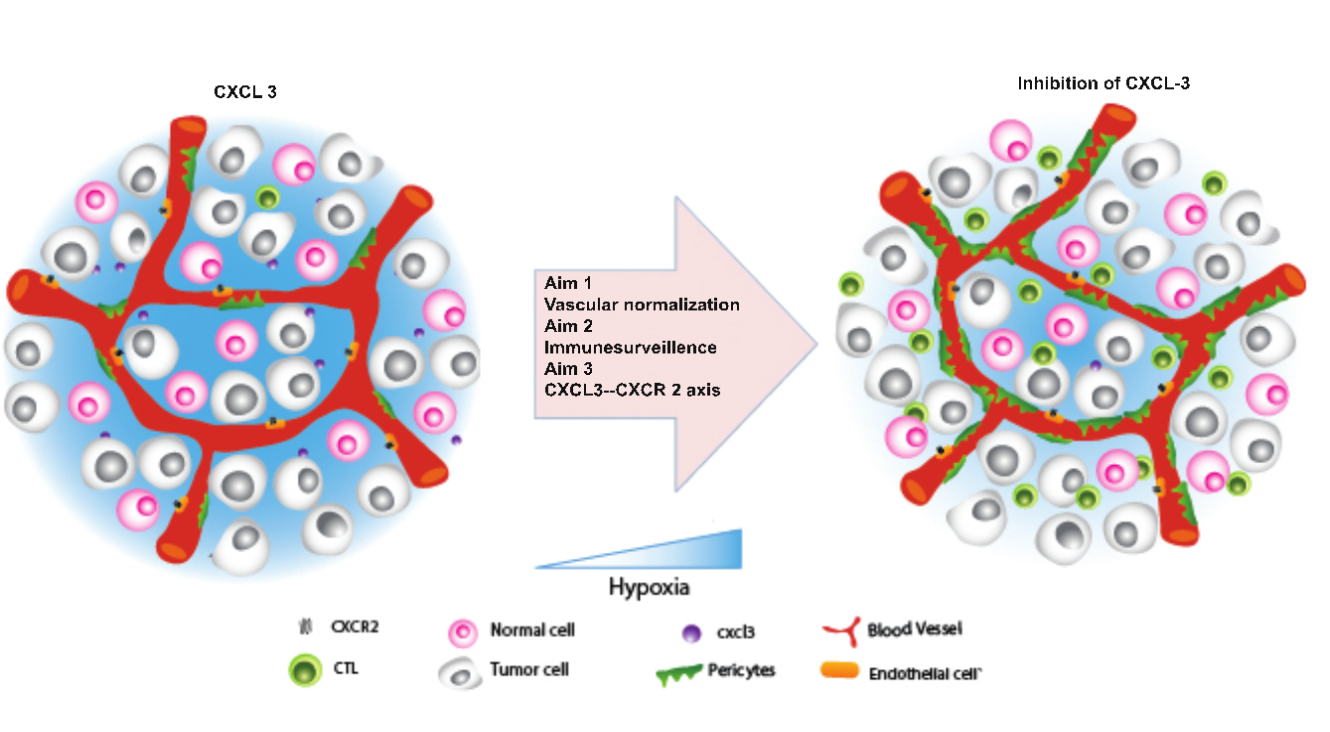
Targeting chemokines in tumour microenvironment to enhance immunesurveillance
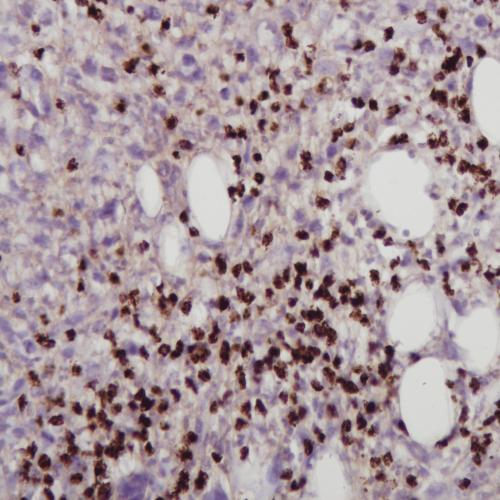
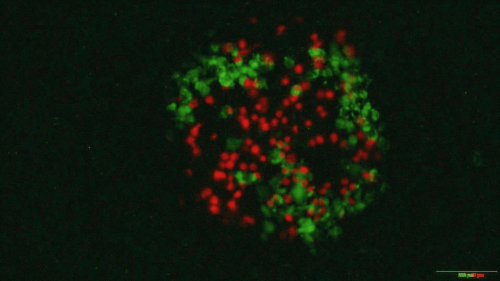
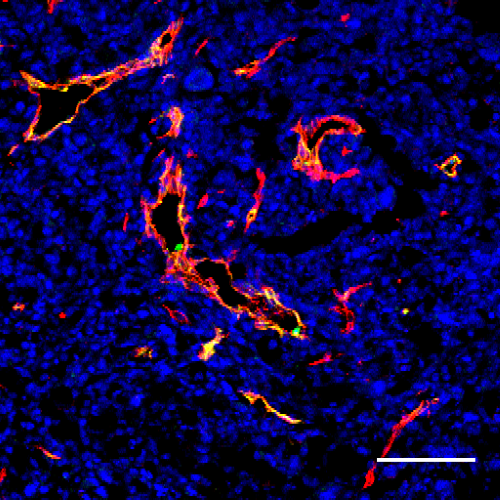
Tumor-derived chemokines can affect angiogenesis via binding to chemokine receptors expressed on endothelial cells, resulting in increased migration and in some cases proliferation and therefore the inhibition of apoptosis. We hypothesis that the blockade of tumor-derived pro-angiogenic chemokine can normalize tumor vasculature and tumor microenvironment — enhancing tissue oxygenation — and improves antitumor immunity.
Role of tumour vasculature and hypoxia in immune cell trafficking.
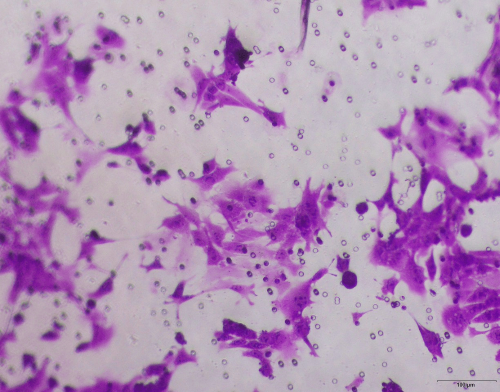
Inflammatory molecules expressed by stromal cells or endogenously produced by TNBC cells may influence tumor cell migration, invasion, proliferation, angiogenesis and immune cell infiltration in the tumor mass. We propose to target pro-angiogenic molecule in TNBC to normalise tumour vasculature — alleviate hypoxia there by enhancing immunesurveillance, as it utilizes body’s self-defense system, which exhibits high specificity, memory and fewer side effects.
Role of Adipokine-Chemokine axis in immunesupression in obese breast cancer
Obesity, or an excess of adipose tissue, influences a variety of cancer symptoms. Obesity is associated with immune system suppression, increased inflammatory molecules, and macrophage dysregulation. We believe that tumor cells are transactivated by adipocyte-derived proinflammatory molecule, causing them to release pro angiogenic chemokines/cytokines, as a result, immune suppression in the obese breast cancer. Thus we propose to target pro inflammatory molecule in obese BC, thereby retarding the influence on chemokines and enhancing immunesurveillence in obese BC.
Research Collabrators












Copyright © 2023, All Right Reserved CTIM
Developed by Paul Prince